ASUTA embarks on Tanzania's most comprehensive marine ecosystem assessment
Asasi ya Uwezeshaji Tanzania (ASUTA) has been commissioned by The Nature Conservancy (TNC) to undertake a comprehensive inventory and ecological health assessment of Tanzania's coral reefs, seagrass meadows and seaweed ecosystems, together with a full valuation of the goods and services these ecosystems provide.
The assignment is funded through the European Union's €110 million Blue Economy for Job Creation and Climate Change Adaptation Programme, channeled through the International Union for Conservation of Nature (IUCN) to TNC, and onward to ASUTA. It sits at the heart of the four-year project Pamoja Tuhifadhi Bahari Yetu (Together We Protect Our Ocean), implemented between 2024 and 2028 by IUCN in partnership with TNC, WCS, WWF and Forum CC.
This one-year assignment, 2026 to 2027, will produce the most current, detailed and scientifically rigorous baseline assessment of Tanzania's coastal and marine biodiversity.
The zones this assessment will cover
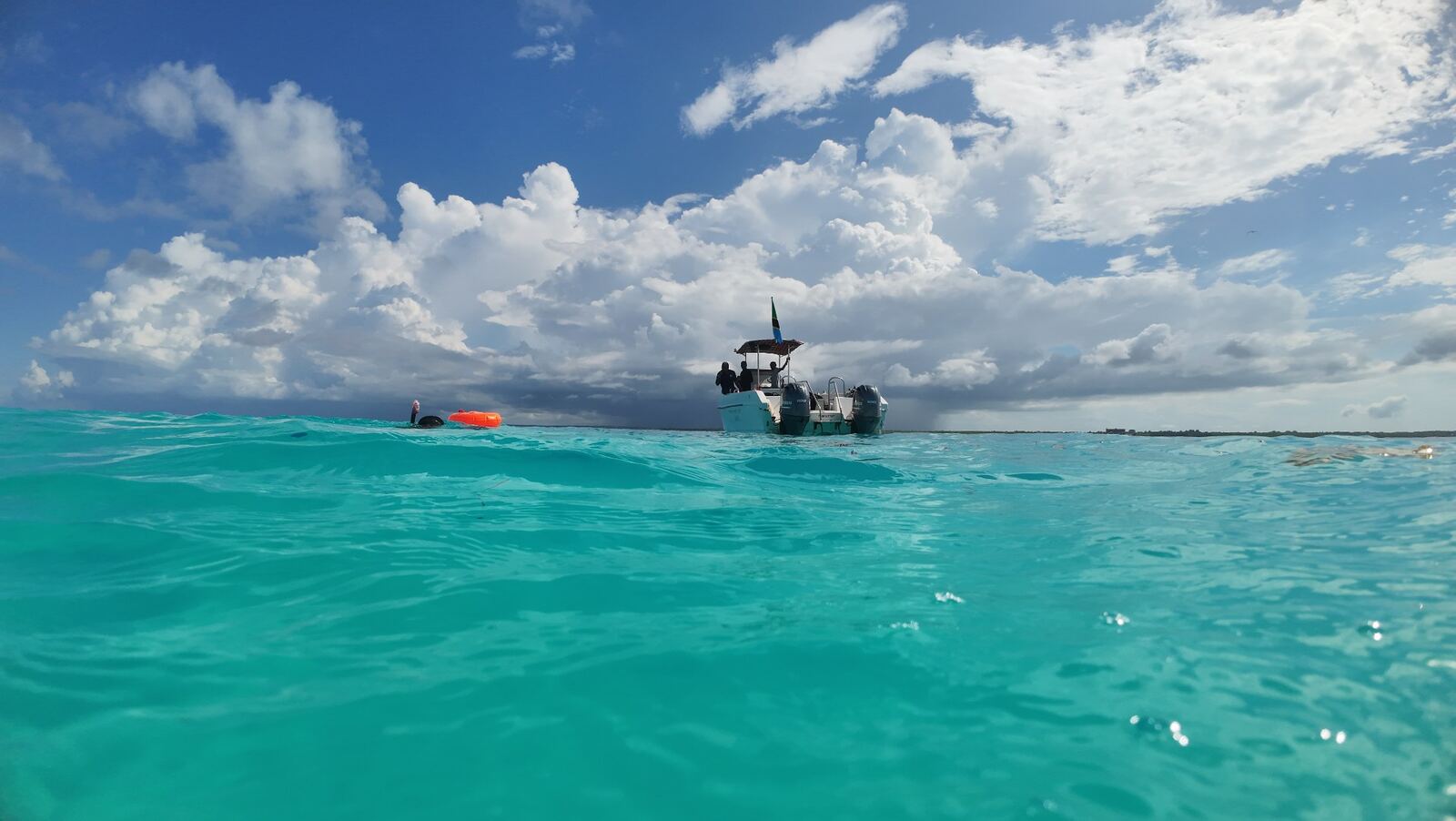
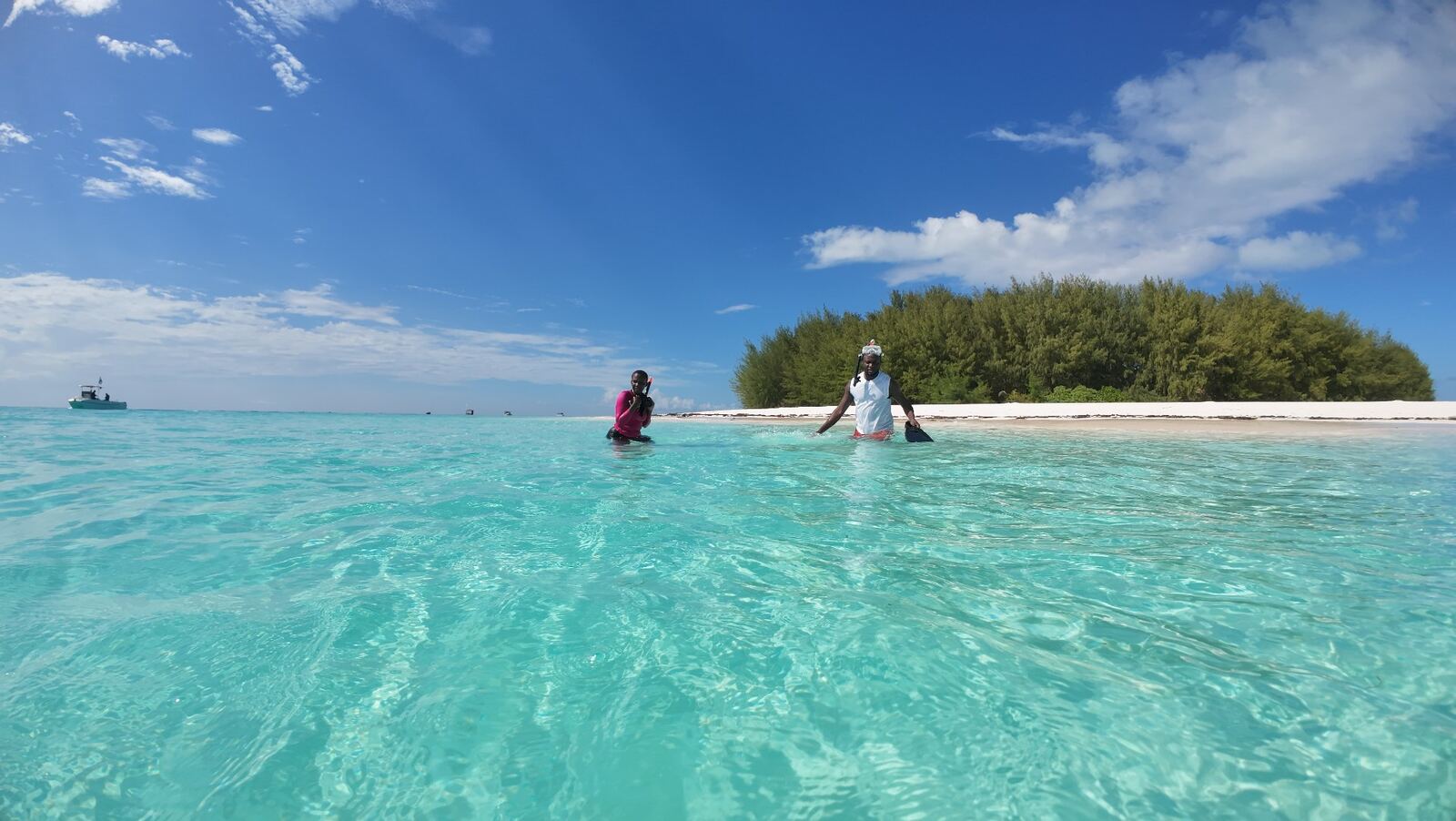
The survey spans the entire coast of Tanzania, from the northern shores of Tanga to the southern waters of Mtwara, and across the archipelagos of Zanzibar. Fieldwork is organised across five ecological monitoring zones - within mainland Marine Parks and Marine Reserves, Zanzibar's Marine Conservation Areas, and adjacent sites outside protected area boundaries. An unprecedented geographical sweep, where every data point matters.
Tanga - including the Tanga Coelacanth Marine Park.
Dar es Salaam - including the Dar es Salaam Marine Reserves System.
Pemba–Unguja (Zanzibar) - the twin islands of the Zanzibar Archipelago.
Mafia–Songo Songo - encompassing Mafia Island Marine Park.
Mtwara - including the Mnazi Bay–Ruvuma Estuary Marine Park.
Who is funding and who is implementing
The European Union, through its delegation in Tanzania, has made a landmark investment in the country's Blue Economy future. That investment flows through IUCN - one of the world's foremost conservation bodies - to TNC, a globally respected environmental non-profit whose Africa operations are headquartered in Arusha. TNC, in turn, has engaged ASUTA as the primary implementing partner for this critical field assignment.
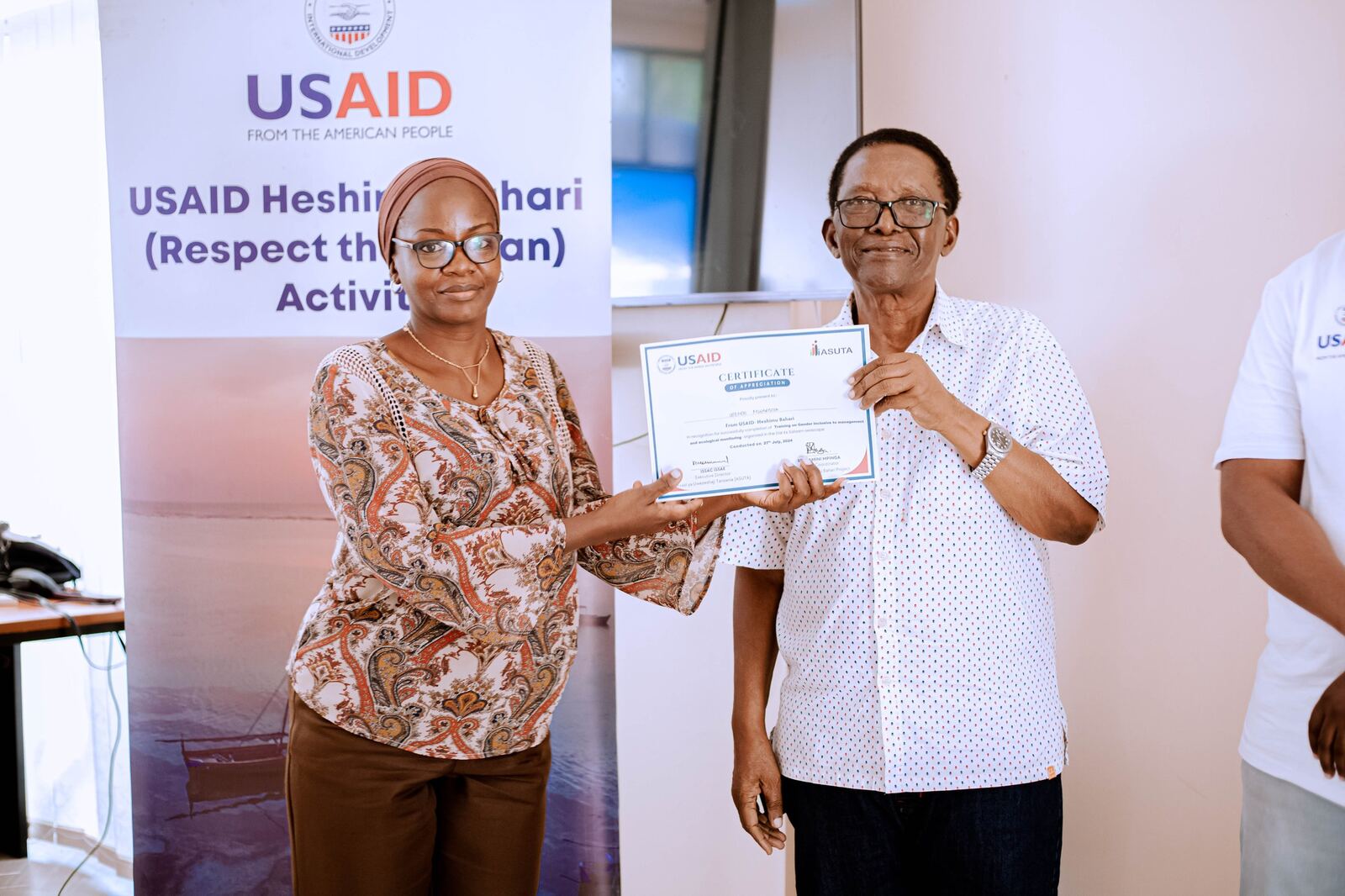
ASUTA is not a new entrant in this space. The organisation brings to this assignment institutional credibility and a proven track record in large-scale benthic surveys, coastal community engagement and complex field coordination - most recently demonstrated through the nationwide survey under the Heshimu Bahari project. The trust placed in ASUTA by TNC, and by extension the European Union, reflects confidence in this organisation's capacity to deliver science of the highest standard.
What ASUTA's role means for us as an organisation
For ASUTA, this assignment represents a defining moment. It is the largest, most technically complex and most nationally significant marine science project the organisation has undertaken. It signals a maturity in ASUTA's institutional journey.
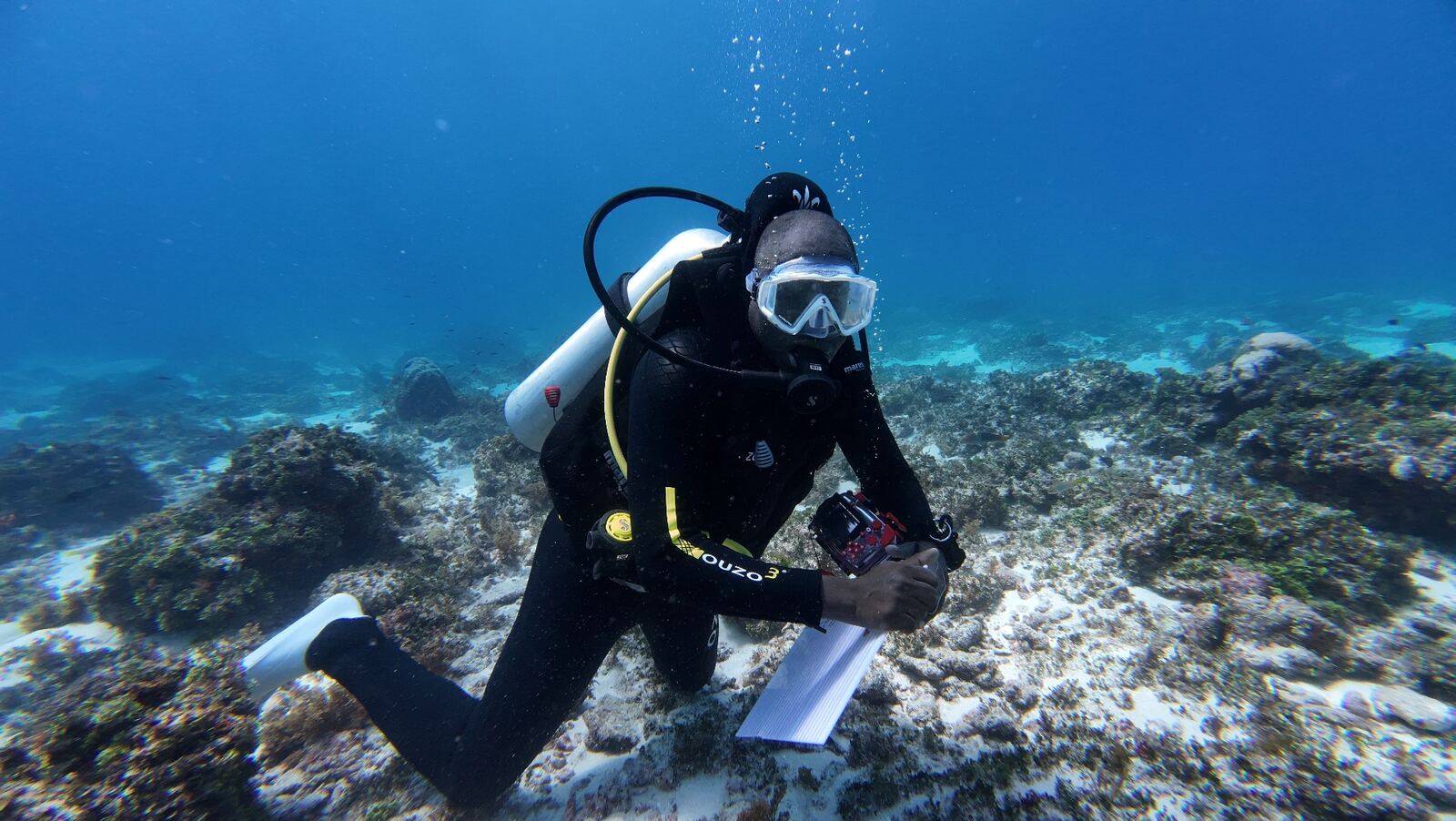
The assignment demands and builds capacity simultaneously. Leading a multidisciplinary team of specialists across five thematic areas - coral reefs, seagrass, seaweed, biodiversity and ecosystem valuation - ASUTA is developing deep organisational expertise in marine science coordination, data management and advanced field methodologies. From deploying underwater cameras and GPS-synchronised depth sensors, to managing georeferenced photo-quadrat datasets for AI-assisted analysis.
ASUTA's institutional knowledge base is being transformed in ways that will serve the organisation and Tanzania for decades to come.
The power of collaboration: learning from Tanzania's best
No organisation can survey an entire nation's coastline alone. The true strength of this assignment lies in the remarkable network of expertise ASUTA has assembled and is working alongside. Field data collectors and specialist consultants have been drawn from Tanzania's most respected research and academic institutions:
Marine Parks and Reserves Unit - frontline guardians of Tanzania's marine protected areas, bringing decades of site-level ecological knowledge.
Tanzania Fisheries Research Institute - the national authority on fisheries science and marine resources.
Institute of Marine Sciences, UDSM - home to some of Tanzania's most accomplished marine researchers.
Zanzibar Fisheries and Marine Resources Research Institute - the Zanzibar counterpart, bridging island and mainland science.
State University of Zanzibar - contributing emerging academic expertise in marine ecology.
School of Aquatic Sciences and Fisheries Technology - specialist capacity in fisheries economics, ecosystem valuation and community-based assessment.
Department of Marine Conservation, Zanzibar - bringing on-the-ground conservation expertise across the Zanzibar archipelago.
For ASUTA, working alongside these institutions is not simply logistical convenience - it is a profound professional enrichment. The relationships forged in the field, the shared methodologies, the peer review and technical dialogue, and the co-production of national-level data will embed ASUTA firmly within Tanzania's marine science community for years to come.
This is institutional capital of the highest kind.